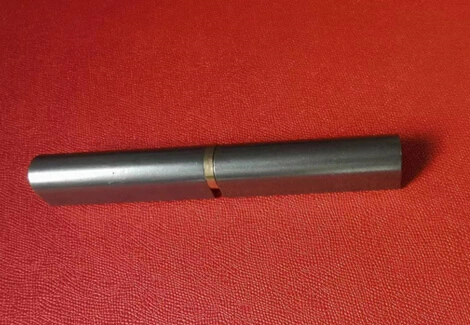
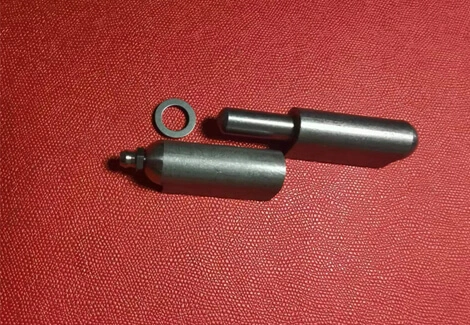
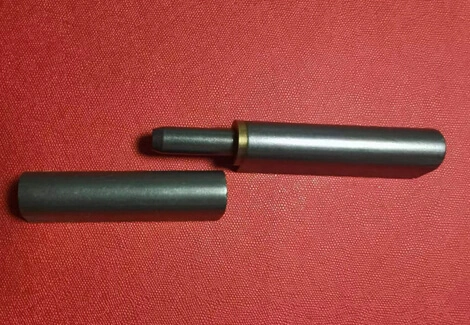
The efficiency of an industrial facility is often measured by the seamless movement of its heavy-duty infrastructure. While doors, gates, and industrial enclosures may seem like simple components, their functionality depends entirely on the precision of their hardware. Custom industrial hinges are engineered to withstand extreme loads, high-frequency cycles, and harsh environmental conditions, but their performance is not solely dictated by their manufacturing quality.
Even the most robust custom door hinges can fail if installed incorrectly or neglected over time. This professional guide provides a comprehensive roadmap for the installation and maintenance of industrial hardware, ensuring that your investment delivers safety, reliability, and smooth operation for years to come.
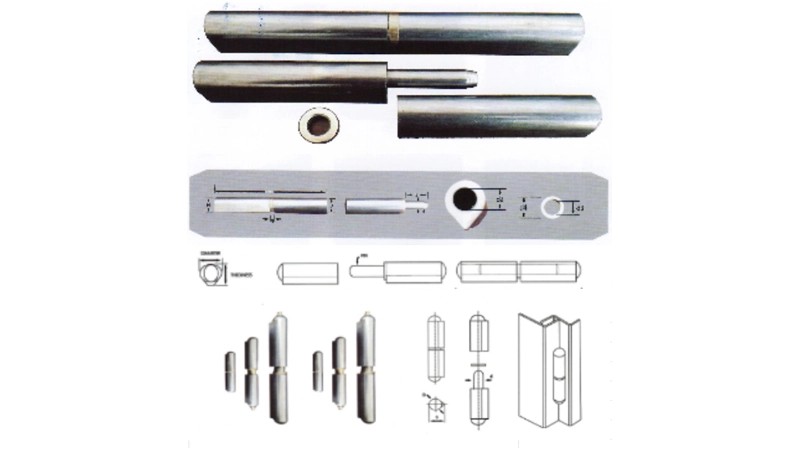
Preparation is the silent factor that determines the success of any installation project. Before you begin, you must ensure that your hardware specifications are perfectly aligned with your project requirements.
For a professional-grade installation, you should have the following tools readily available:
Laser Alignment Tool: Crucial for ensuring that hinges on the frame and the door are perfectly plumb and level.
Industrial Torque Wrench: Essential for securing bolts to the manufacturer’s specified torque, preventing both stripping and loosening.
Welding Equipment (if required): For permanent industrial applications, high-penetration welding equipment is necessary.
Measuring Tape and Calipers: To verify the tolerances of the hinge pin and mounting plates.
Cleaning Agents: Solvent-based cleaners to remove oils or debris from the surface before mounting.
Before you pick up a tool, verify the following:
Material Compatibility: If your facility is located near the coast, ensure your custom industrial hinges are made of 316-grade stainless steel to resist chloride-induced corrosion.
Structural Integrity: Check the door frame and the door leaf for structural integrity. A custom hinge cannot compensate for a weak or warped door frame.
Hinge Load Rating: Ensure the combined load capacity of the hinges exceeds the weight of the door plus a 25% safety margin to account for dynamic forces during opening and closing.
Installation is a delicate process where precision dictates performance. Follow these steps to ensure your hardware is integrated correctly.
Using your laser level, identify the mounting points. For large industrial doors, it is common to install three or more hinges to distribute the weight. Mark the centers of the hinge mounting holes or weld plates. Double-check the distance between the hinge center and the door edge to ensure they remain consistent.
If using heavy-duty bolts, drill your pilot holes. The drill bit should match the diameter of the bolt shank to ensure a snug fit. If the hinge is a custom door hinge requiring welding, "tack-weld" the hinges in place first. This allows you to test the door’s swing and alignment before committing to a full weld.
Before tightening fasteners or finishing welds, perform a dry swing test. The door should move through its full range of motion without binding, scraping, or resistance. If the door drifts in any direction, it indicates a misalignment that must be corrected at this stage.
Once aligned, tighten bolts to the required torque. If welding, use a multi-pass welding technique to ensure full penetration without overheating the hinge, which could warp the metal or damage internal bearings or bushings.
Industrial environments are demanding. Whether it is exposure to high-heat, corrosive chemicals, or constant dust, your hinges require a structured maintenance regimen.
Visual Inspection: Look for hairline fractures, localized rust, or signs of deformation.
Fastener Security: Use your torque wrench to check that mounting bolts haven't vibrated loose.
Lubrication Management: Use only high-performance, synthetic silicone-based lubricants. Avoid standard grease, which can turn into a sticky paste when mixed with industrial dust, potentially clogging the hinge pin.
Load Balancing: Check the alignment of the door. If the gap between the door and frame is wider at the top than the bottom, your door is beginning to sag, and the hinges need to be readjusted or shimmed.
In environments with high chemical exposure, wash the hinge surface with water and a mild detergent annually to prevent the buildup of contaminants that can degrade the surface of the metal. If the hinge has a powder-coated finish, touch up any scratches immediately to prevent rust from spreading.
Despite best practices, industrial hardware may occasionally face issues. Understanding how to diagnose them is essential for operational continuity.
Binding or Sticking: Often caused by paint buildup, dirt, or debris inside the hinge pin. Clean thoroughly and re-lubricate. If binding persists, check for hinge leaf warping.
Excessive Noise: A squeak is an early warning sign of friction. If lubrication does not solve the issue, it may indicate that the internal bushings are worn out and require replacement.
Door Sag: If the door consistently hits the threshold, the hinges may be overloaded or improperly shimmed.
Hardware Corrosion: Surface rust on stainless steel is usually due to environmental contaminants. If the corrosion is deep (pitting), the structural integrity of the hinge may be compromised.
Do not attempt to repair a hinge that has developed a structural crack. If you notice a crack in the weld or the metal leaf itself, take the door out of service immediately and contact the manufacturer. Custom industrial hardware involves specific metallurgy and load calculations; field repairs that aren't engineered correctly can lead to catastrophic door failure.
At Juyuan (JY Hardware), we realize that a hinge is not merely a piece of metal—it is a vital component of your facility’s safety and performance. We have spent years perfecting our manufacturing processes to deliver custom industrial hinges that consistently exceed industry expectations. We do not just manufacture; we consult. Our team works directly with your technical requirements and drawings to ensure that the material, thickness, and structural design of your hinges are perfectly matched to the weight, usage frequency, and specific environmental demands of your project. This collaborative engineering approach ensures that you receive a solution tailored for long-term reliability rather than a generic, one-size-fits-all part.
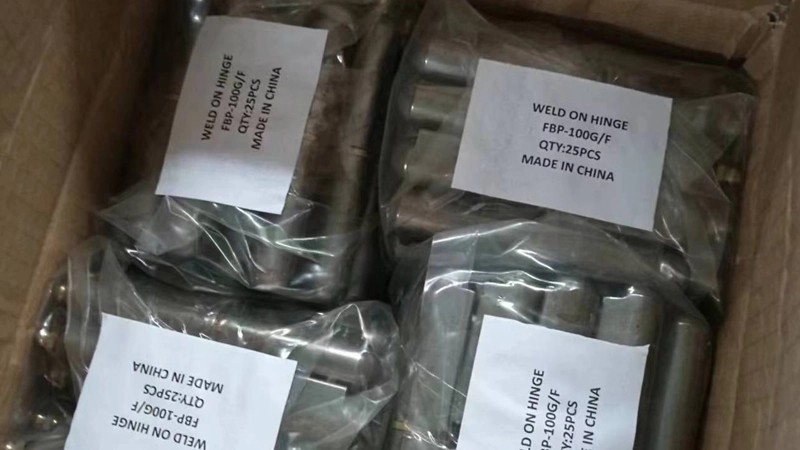
Our commitment to excellence is reflected in our rigorous quality assurance protocols, where every hinge undergoes testing to comply with international ISO and ANSI standards. Whether you need a unique hole pattern, specific alloy grades, or specialized surface treatments like anodizing or high-durability plating, we possess the manufacturing agility to meet your exact project deadline. We are proud to serve as a technical partner to facilities managers and engineers worldwide, providing the reliable, high-performance custom door hinges that keep your operations moving forward. We invite you to contact our technical team today to discuss the specific requirements for your next industrial project.
1. What is the standard lifespan of a Juyuan custom industrial hinge?
With proper installation and a consistent maintenance routine, our industrial hinges are designed to last for decades, even in high-frequency commercial or industrial environments.
2. Can you manufacture hinges based on my existing technical drawings?
Yes. We specialize in custom fabrication and can work directly from your CAD files or technical drawings to produce hinges that match your specific mechanical requirements.
3. What lubrication frequency do you recommend for outdoor industrial hinges?
In harsh, dusty, or outdoor environments, we recommend a quarterly (every 3 months) inspection and lubrication to ensure the hinge pin remains free of abrasive buildup.
4. How do I determine if my door needs standard or heavy-duty hinges?
If your door is oversized, reinforced for security, or experiences more than 50 cycles per day, it should be categorized as heavy-duty, requiring reinforced hinge diameters and pins.
5. How do Juyuan hinges compare to off-the-shelf hardware?
Off-the-shelf hardware is designed for generic, light-duty applications. Our custom hinges are engineered specifically for your door's weight, usage frequency, and environmental context, offering superior safety and reduced long-term maintenance costs.